
Lifecycle Marketing & Retention · Ecommerce
Lifecycle marketing that gives customers a reason to return.
We help ecommerce brands and retailers connect customer needs, post-purchase experiences, and relevant communication.
Build a clear plan for repeat purchases, loyalty, and customer value across the tools and channels you use.
What happens after the first purchase?
Customers buy once
Understand what could support a second purchase—and what in the product or experience may stand in its way.
Communication feels disconnected
Coordinate campaigns, automated messages, and customer support around the customer's situation.
Loyalty depends on promotions
Review the reasons customers return, the benefits you offer, and the economics behind them.
Customer retention strategies, from segmentation to follow-up.
Customer segmentation
Group customers by relevant needs, purchase history, and behavior to decide which action makes sense for each audience.
Repeat purchase and win-back
Define post-purchase support, useful next products, replenishment where relevant, and timely reactivation.
Loyalty strategy
Assess recognition, service benefits, rewards, and ease of use before deciding whether a formal program fits.
Customer lifetime value
Use customer and cohort data to understand value over time, with explicit assumptions for any forecasts.
Email and SMS journeys
Plan and implement agreed messages, triggers, audience rules, and timing across eligible channels.
Match the next action to the customer's situation.
Illustrative lifecycle opportunities. Timing follows the product, customer behavior, and channel permissions. A new purchase or service issue can change the next action.
New subscriber
Understand interests and support a relevant first decision — a welcome journey with useful context.
First-time customer
Help the customer receive, use, and get value from the purchase — product guidance or a service handover.
Returning customer
Recognize the relationship and support the next relevant need — a useful product suggestion or appropriate benefit.
Longer than usual since a purchase
Understand whether returning still makes sense — a contextual win-back message or feedback request.
Build the retention plan around customers and business priorities.
A project can establish the plan and initial implementation. Ongoing work can cover agreed campaigns, reviews, and improvements.
Discover
Review customer journeys, purchase history, communication, and the experience after checkout.
Define
Prioritize audiences and opportunities, agree on the actions, and define how to evaluate progress.
Develop
Build the agreed segments, messages, flows, and loyalty elements. Test the data and customer experience.
Deliver
Roll out the work, document ownership, and use the findings to guide the next cycle.
What the work can leave behind.
- A lifecycle review
- A prioritized journey map
- Segmentation rules
- Agreed messages and flows
- Measurement definitions
- Handover guidance
Measure repeat purchases and value over time.
We compare customer groups over meaningful periods, review purchase patterns, and consider the cost of the actions. More attributed revenue is not the same as more profitable growth.
Repeat purchase rate
How many customers make another qualifying purchase within the agreed observation window.
Time to next purchase
How purchase timing varies by product, audience, and customer group.
Customer value
Observed revenue or contribution over a defined period, kept distinct from future value estimates.
Loyalty participation
How customers use relevant benefits, alongside purchase behavior and program costs.
Communication health
Delivery issues, useful engagement, complaints, and unsubscribes that affect the customer experience.
What is customer lifetime value?
Customer lifetime value estimates the economic value of a customer relationship over time.
We distinguish observed spending from forecasts and make the time horizon, costs, and assumptions explicit.
From the Blog
Further reading.
Articles from our blog on the topics this page covers.
- Customer Experience · Article

How to Design Product Pages That Sell (Without Being Pushy)
Most product pages overplay their hand, pushing urgency, faking scarcity, and eroding trust. But in 2025, persuasion isn’t about pressure. It’s about clarity, emotional design, and ethical cues that guide decisions without manipulation. This article explores how to create product pages that convert by building trust, reducing friction, and respecting the buyer’s process. - Business Models and Growth · Article
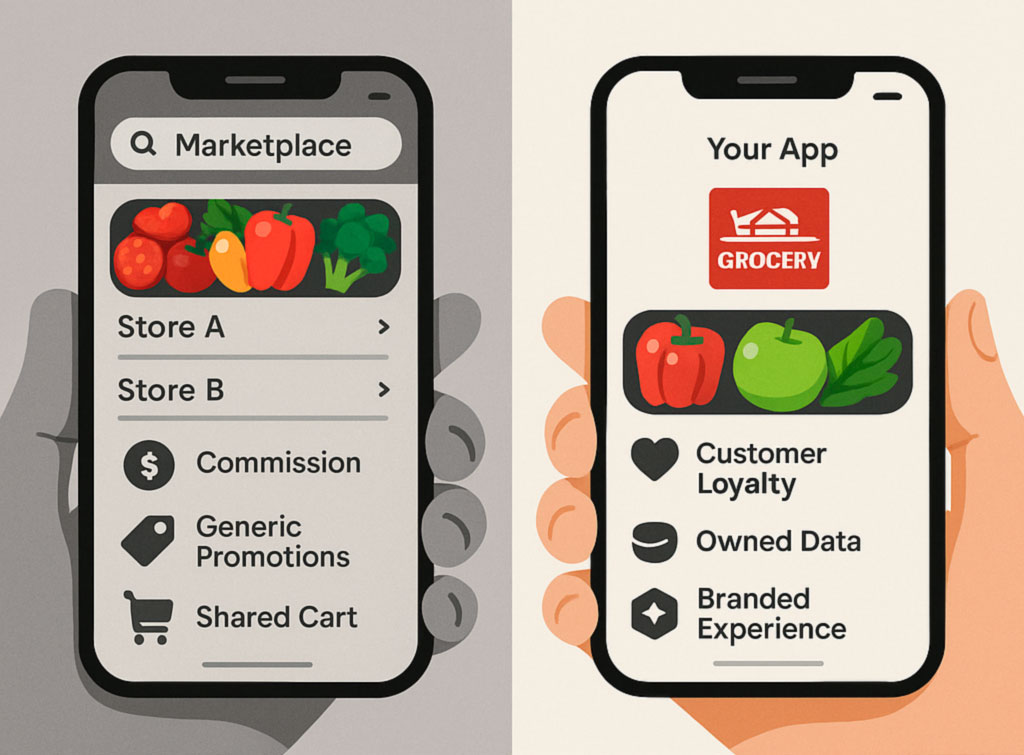
Build a Grocery Store That Converts, and Actually Belongs to You
Most grocery retailers rely on third-party apps to go digital, and in doing so, surrender control over margins, data, and brand loyalty. What looks like convenience is often quiet erosion. This article breaks down why mobile-first Shopify stores are outperforming platforms not just in revenue, but in retention, trust, and long-term growth. If you're still renting shelf space in someone else’s interface, it might be time to reclaim your store. - Artificial Intelligence · Article

The Future of Marketing: You Will Be an AI Orchestrator, or Your Profession Will Be Profoundly Transformed
Explore how AI is transforming marketing roles, highlighting vulnerable tasks and essential human skills for future-proofing your career in the AI era. - Customer Experience · Article
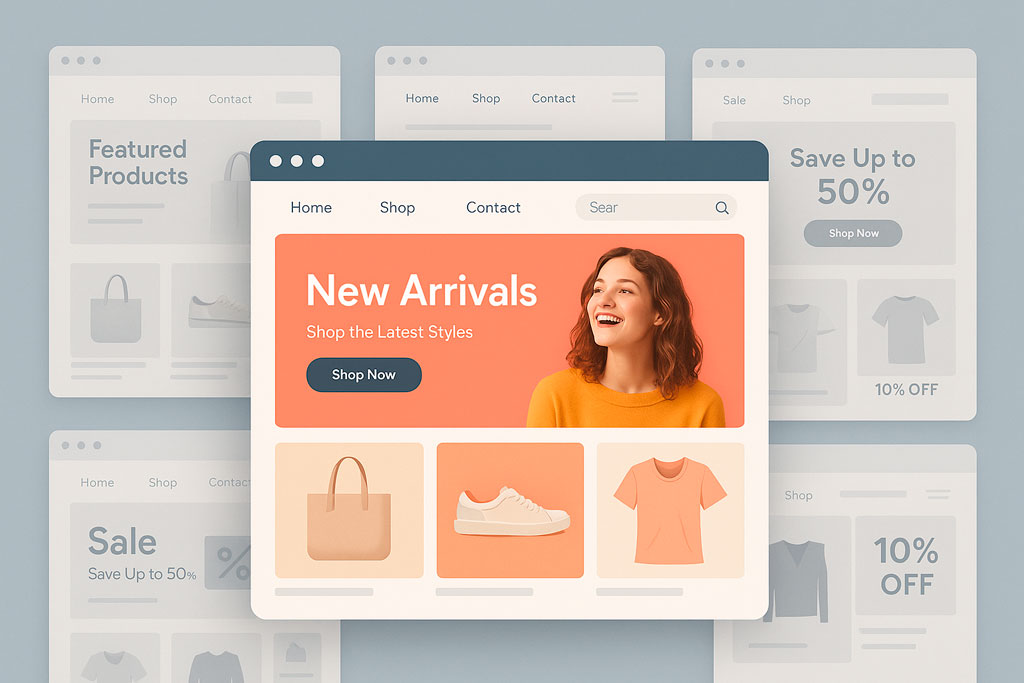
Why DTC Brands Win With Custom Shopify Stores
Themes are fast. Custom stores are strategic. Discover why top DTC brands outgrow templates and invest in custom Shopify storefronts, built for speed, personalization, and long-term scale. - Customer Experience · Article

An Extraordinary Growth Transformation in Retail Email Marketing
A strategy driven by UX, data, and ethics to transform email marketing for a major retail brand (name withheld for confidentiality). - Artificial Intelligence · Article

Designing AI That Teaches Without Replacing Thinking
Can AI help students learn without replacing the act of thinking? Explore scaffolding, autonomy, and design ethics in AI-powered education.
Questions about lifecycle marketing and retention.
It coordinates customer understanding, experiences, and communication across the relationship—from early interest to purchases, ongoing needs, and possible reactivation.
Lifecycle work defines the audiences, priorities, journeys, and measures across tools. Klaviyo services focus on implementation within that platform.
Not always. We first assess why customers return, what benefits matter, and whether the business can support them. A points program is one possible approach.
A repeat purchase shows behavior within a defined period. In retail, not buying during that period does not prove a customer has permanently left.
Not necessarily. We assess the audience, channel permissions, purpose, and cost. SMS is included only when it fits the agreed plan.
We assess the available history and define the appropriate approach. Observed customer value can be analyzed first; forecasts require suitable data and explicit assumptions.
We review the existing store, CRM, and messaging setup before recommending changes. A platform switch is not a prerequisite.
We quote the agreed strategy, implementation, or ongoing work after reviewing your priorities and systems. Platform costs, channel usage, and customer rewards are separate considerations.
Related services.
What would make the next purchase more useful to your customers?
Share your store, current tools, and retention priorities.
We can discuss where to start and what a practical scope should include.
Schedule a meetingPrefer to write first? Tell us about your project.