
Ecommerce SEO Agency · Technical, On-Page & Content
Ecommerce SEO services that connect search with your catalog.
We help DTC brands and retailers improve how customers find their categories, products, and buying guidance.
Review technical barriers, strengthen useful content, and prioritize the work around your commercial goals.
Illustrative SEO workflow
Where is organic discovery falling short?
Important pages are hard to find
Check how search engines discover the catalog and which pages are eligible to appear.
Search visits miss the right products
Review the relationship between customer queries, landing pages, and the catalog.
Content does not support the decision
Identify missing product information, unclear categories, and questions that useful content could answer.
Technical SEO, on-page improvements, and useful content.
Technical ecommerce SEO
Review crawl access, indexing, internal links, page templates, duplicate URLs, and relevant structured data. Scope the fixes your platform can support.
Category and product page SEO
Align page purpose, titles, headings, product information, and internal links with how customers search and compare.
Content strategy and production
Plan and create agreed buying guides, category content, and product information that answer relevant questions and connect to the catalog.
Shopify SEO within the same strategy.
We review the store's existing SEO setup, collections, product pages, theme behavior, and apps before proposing changes. Built-in features provide a starting point; the work follows your catalog and priorities.

An ecommerce SEO audit should lead to decisions.
We review the available search data, representative page templates, and catalog structure. Each finding should explain the affected pages, why it matters, and what the team should do next. Illustrative query-to-page map — the search results, customer need, and existing pages guide the choice. A keyword does not automatically require a new URL.
Explore a product type → Category or collection
Scope, selection, and links to relevant products.
Evaluate a specific product → Product page
Features, availability, options, and buying information.
Understand a use or comparison → Guide or editorial page
A useful answer and the relationship to relevant products.
Prioritize the work, implement it, and review what changed.
Sales measurement informs every stage.
Discover
Review the store, catalog, customer search needs, and available technical and performance evidence.
Define
Agree on priority pages, issues, content, responsibilities, and evaluation criteria.
Develop
Implement the agreed changes and content, checking templates, links, and page behavior.
Deliver
Validate the release, document the work, and use the findings to decide the next improvements.
What the work can leave behind.
Deliverables follow the agreed scope: an audit alone does not include development or editorial production.
- A prioritized audit
- A query-to-page map
- Agreed technical and content changes
- Validation notes
- Reporting guidance
Evaluate search visibility alongside the buying journey.
We review whether relevant pages are being discovered, which searches bring visits, and how those visits relate to purchases. Visibility and traffic help diagnose progress; commercial outcomes guide priorities. Results depend on demand, competition, the store experience, and the time needed for search engines to process changes.
Visibility
Relevant queries, impressions, clicks, and page groups, with brand and non-brand context.
Discovery and page quality
The status of priority pages and the technical or content changes delivered.
Customer outcomes
Organic landing journeys, purchases, and revenue in the agreed analytics setup.
From the Blog
Further reading.
Articles from our blog on the topics this page covers.
- Artificial Intelligence · Article

The Authenticity Premium: Why Human-Led Creativity is the Real Differentiator in the Age of AI
AI made content production easy, but sameness is the new enemy. Human creativity, strategic thinking, and emotional nuance are no longer extras. They’re the edge. - Analytics Tools · Article

Better Speed Means More Conversions: The Golden Rule of E-commerce. Still important in 2025
Faster eCommerce stores convert more. Learn why speed is the most overlooked growth lever in 2025, and how to fix yours. - Artificial Intelligence · Article
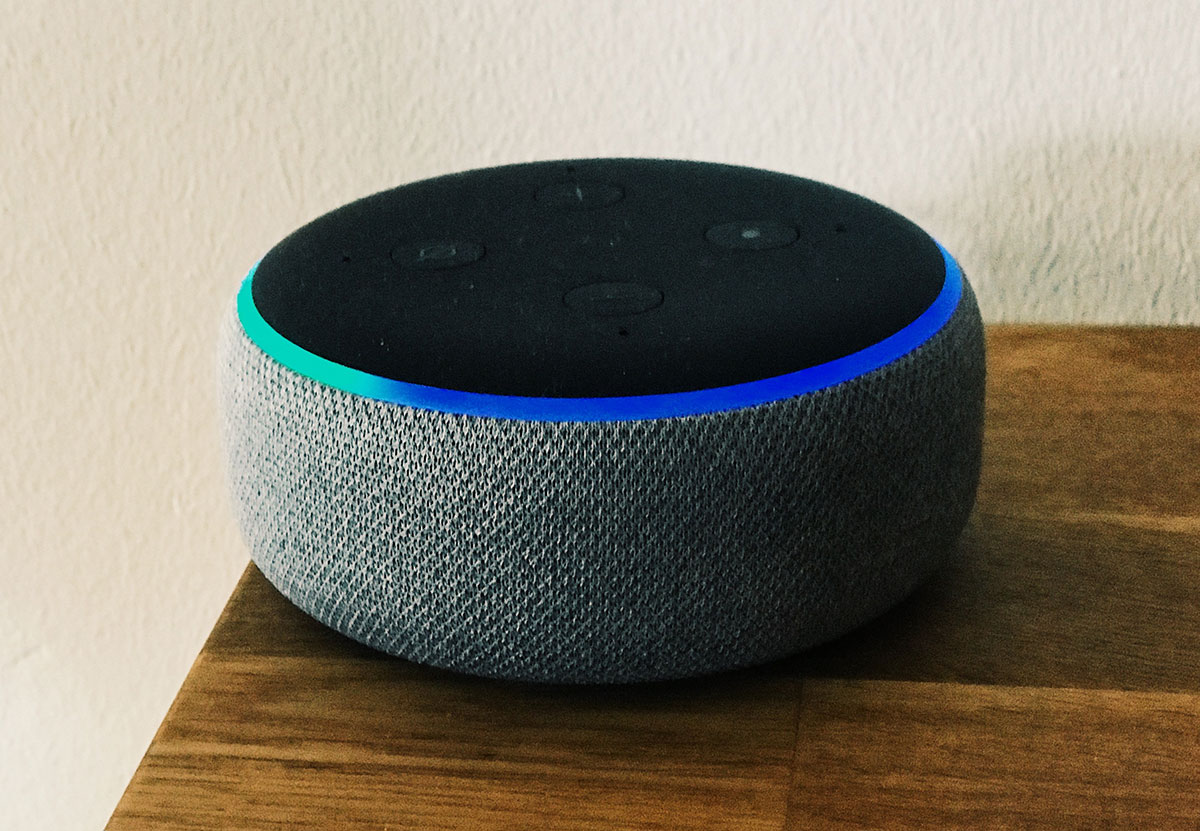
How to Rank Higher in 2025: SEO Strategies for Voice and Visual Search
Discover how to optimize your website for voice and visual search in 2025. Use AI, conversational keywords, and image SEO to boost rankings and engagement.
Questions about ecommerce SEO services.
We scope technical reviews and fixes, category and product page improvements, content, and reporting. The proposal specifies the deliverables and responsibilities.
Yes. We review the existing store setup, collections, products, theme, and apps, then prioritize the agreed work.
No. An SEO audit examines organic discovery and search-related issues. A UX audit examines the customer experience. Findings can connect the two.
It depends on the search need, catalog, current visibility, and commercial priorities. We review both before choosing where to start.
Implementation and search response have different timelines. We agree on the delivery schedule and review progress over appropriate periods, without promising a fixed ranking date.
The fee depends on catalog size, technical issues, platform access, content, implementation, and ongoing work. We quote the agreed scope after reviewing the store.
No. Valid structured data can support eligibility, but Google determines whether and how it appears.
SEO foundations remain relevant to Google's AI search features. A dedicated program for visibility in AI assistants is scoped separately.
Search improvements connected with retail experience.
Which parts of your catalog should customers find more easily?
Share your store, priority categories, and current search concerns.
We can discuss the scope for an audit, implementation, or ongoing SEO work.
Schedule a meetingPrefer to write first? Tell us about your project.