
Marketing Automation · Ecommerce Workflows
Marketing automation services that connect data, channels, and actions.
Workflow strategy, implementation, testing, and measurement within an agreed scope.
Coordinate selected ecommerce workflows around what customers do and what your team needs to deliver. We define the data, rules, and responsibilities that connect your marketing tools.
Your preferred tools. Our method.
Start with the marketing platforms your business already uses. We adapt our method to your goals, processes, and tools, defining practical workflows around the capabilities available to your team. The starting point is your business—not a platform change.
Klaviyo
Event-based flows and customer communication.
HubSpot Marketing Hub
Marketing workflows within the HubSpot platform.
ActiveCampaign
Automated journeys and communication.
Mailchimp
Automated marketing flows beyond newsletters.
Zoho Marketing Automation
Multichannel marketing automation.
Salesforce Marketing Cloud Engagement
Journeys and automated marketing activities.
Adobe Marketo Engage
Marketing automation for larger teams.
When each tool works alone, the next customer interaction can lose context.
Manual handoffs, disconnected customer records, and overlapping campaigns can make marketing difficult to operate. We review where information and decisions need to connect before adding another automation. For ecommerce brands with an operating store and existing marketing tools, or service businesses with a defined customer process.
Customer data differs between tools
Identify which records and events each workflow should use.
Messages overlap
Define communication priorities and conditions for the selected channels.
Processes rely on manual transfers
Review which steps can be configured and which need a person.
Live workflows are hard to explain
Document the rules, responsibilities, and signals your team should review.
Build the workflow around a clear commercial purpose.
Our marketing automation scope connects the customer moment with the data, rules, and actions needed to support it. Platforms, channels, content, integrations, and ongoing management are agreed for each project.
Process and data diagnosis
Review the selected customer process, available events, and dependencies.
Marketing automation strategy
Prioritize use cases and define what each workflow should support.
Workflow design
Specify entry rules, conditions, actions, timing, and exceptions.
Platform coordination
Map the data and connections required in the agreed tools.
Marketing automation implementation
Configure and test the selected workflows before their agreed release.
Documentation and review
Give your team a practical guide to ownership, monitoring, and changes.
Make each marketing automation workflow explainable.
A useful workflow defines what starts it, who qualifies, what happens next, and when the action should change or stop.
These illustrative scenarios show the decisions we work through: a new subscriber joins and the recorded preference defines the eligible welcome path; a customer purchases and pending marketing actions are reviewed; several channels target the same customer and communication priorities apply; a customer needs personal attention and the relevant context passes to the agreed team while selected promotional actions pause.
Each scenario depends on the events, permissions, and capabilities available in your systems.
Start with the process. Test the rules. Keep ownership clear.
Measurement informs the work throughout the process and helps decide what to adjust next. Your team should know who owns each workflow, who approves changes, and how to pause it when the customer context or operation changes.
Discover
Review the customer process, current tools, data, and operational friction.
Define
Agree on the use cases, communication rules, dependencies, and measures of success.
Develop
Configure selected workflows and test the relevant paths and exceptions.
Deliver
Prepare the agreed release, documentation, ownership, and review plan.
A defined scope your team can operate and review.
Review both operation and commercial outcomes: whether the right records enter, actions run as intended, and the selected workflows support the customer’s next step. We agree on the reporting period, attribution limits, and business questions before interpreting results.
- Process and dependency map: the selected process, tools, data sources, and dependencies
- Prioritized workflow plan: use cases with a defined purpose, audience, and intended action
- Workflow specifications: documented triggers, conditions, timing, exceptions, and ownership
- Agreed configuration: selected workflows and connections configured within the project scope
- Test and release record: the agreed checks, open issues, and release responsibilities
- Operating guide: instructions for monitoring, pausing, reviewing, and changing the work
From the Blog
Further reading.
Articles from our blog on the topics this page covers.
- Customer Experience · Article

How to Design Product Pages That Sell (Without Being Pushy)
Most product pages overplay their hand, pushing urgency, faking scarcity, and eroding trust. But in 2025, persuasion isn’t about pressure. It’s about clarity, emotional design, and ethical cues that guide decisions without manipulation. This article explores how to create product pages that convert by building trust, reducing friction, and respecting the buyer’s process. - Business Models and Growth · Article
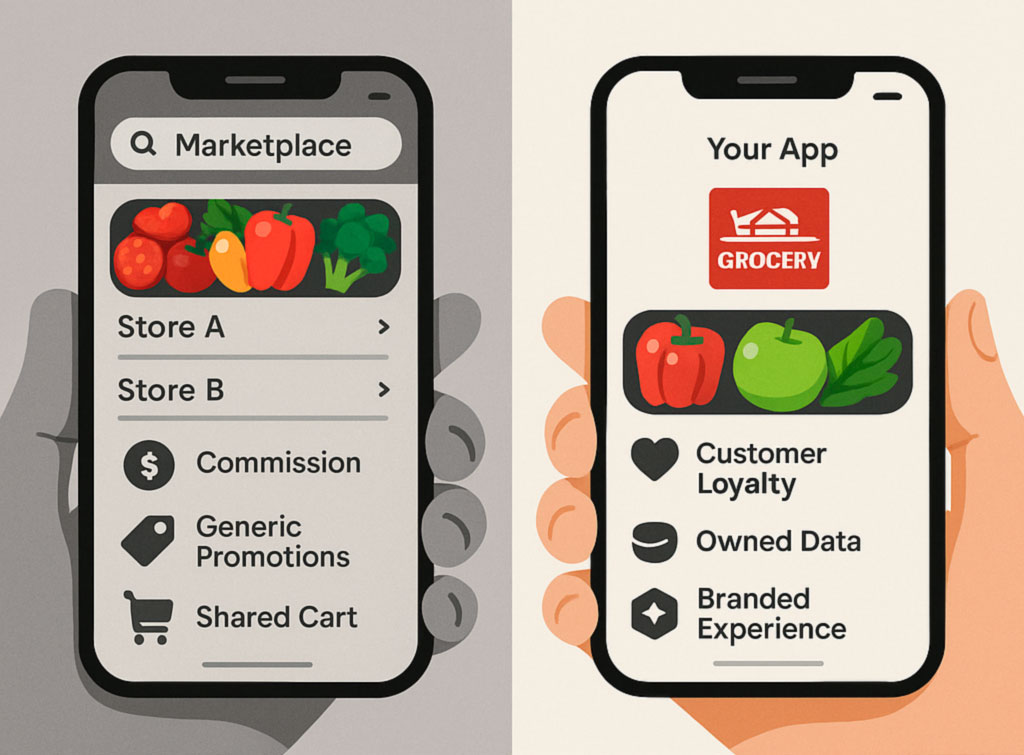
Build a Grocery Store That Converts, and Actually Belongs to You
Most grocery retailers rely on third-party apps to go digital, and in doing so, surrender control over margins, data, and brand loyalty. What looks like convenience is often quiet erosion. This article breaks down why mobile-first Shopify stores are outperforming platforms not just in revenue, but in retention, trust, and long-term growth. If you're still renting shelf space in someone else’s interface, it might be time to reclaim your store. - Artificial Intelligence · Article

The Future of Marketing: You Will Be an AI Orchestrator, or Your Profession Will Be Profoundly Transformed
Explore how AI is transforming marketing roles, highlighting vulnerable tasks and essential human skills for future-proofing your career in the AI era. - Customer Experience · Article
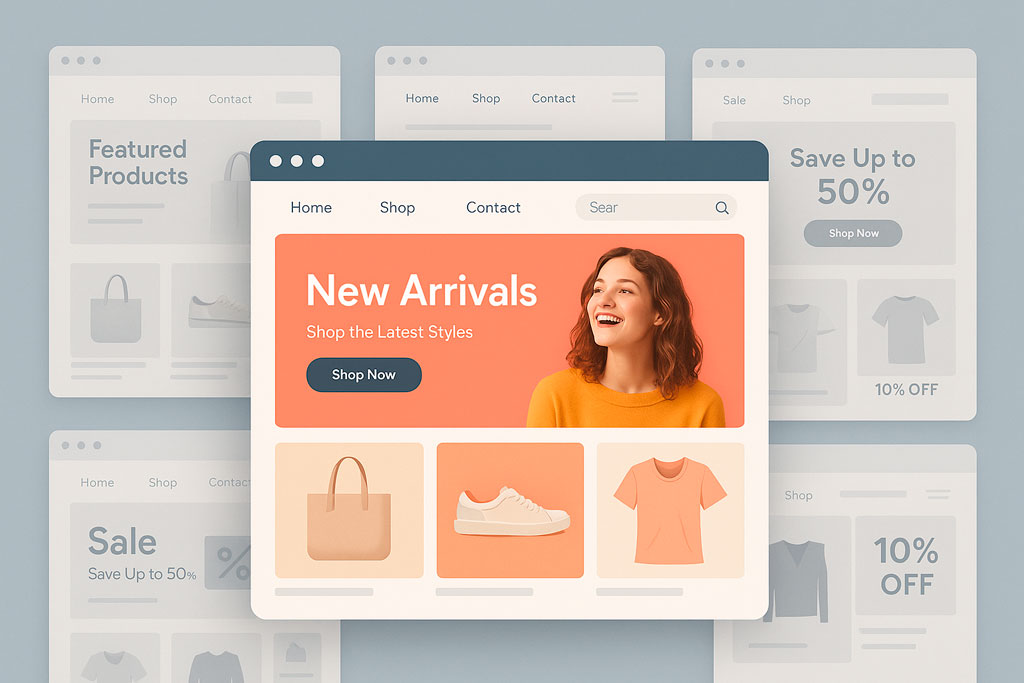
Why DTC Brands Win With Custom Shopify Stores
Themes are fast. Custom stores are strategic. Discover why top DTC brands outgrow templates and invest in custom Shopify storefronts, built for speed, personalization, and long-term scale. - Customer Experience · Article

An Extraordinary Growth Transformation in Retail Email Marketing
A strategy driven by UX, data, and ethics to transform email marketing for a major retail brand (name withheld for confidentiality). - Artificial Intelligence · Article

Designing AI That Teaches Without Replacing Thinking
Can AI help students learn without replacing the act of thinking? Explore scaffolding, autonomy, and design ethics in AI-powered education.
Before defining the automation scope.
Email marketing focuses on the channel and its messages. Marketing automation defines how selected data, rules, and actions work together, which may include email and other agreed touchpoints.
Lifecycle Marketing defines priorities across the customer relationship. This service translates selected priorities into workflows, platform coordination, and operating rules.
We review your current tools first. Platform changes are considered only when the agreed requirements and available capabilities justify them.
We review the required data and connection options before confirming the implementation scope. Access, platform capabilities, existing integrations, and maintenance responsibilities affect what can be delivered.
Marketing workflows can pass context to sales. Pipeline design, lead scoring, assignment, and sales follow-up are covered in the Sales Automation scope.
The number and complexity of workflows, data readiness, platforms, connections, content, testing, and ongoing responsibilities. Service fees and platform costs are defined separately in the proposal.
We define what the selected workflows should support and how to evaluate them. Commercial outcomes also depend on your offer, audience, customer experience, and operation.
Connect automation with the wider customer process.
Which marketing process needs a clearer next step?
Bring your current tools, one workflow problem, and the commercial priority behind it.
We’ll help define a practical starting scope.
Schedule a meetingPrefer to write first? Tell us about your project.