
Shopify Agency · Design, Development & Store Improvements
Shopify development and design that help customers buy.
We help DTC brands and retailers build, redesign, and improve Shopify stores around how customers find products, compare options, and purchase.
From theme customization to integrations, we connect the work with your commercial priorities.
What does your Shopify store need next?
Start with the situation your team is facing. We define the work around the customer problem, your operation, and the resources available.
Improve an existing store
Address confusing navigation, incomplete product information, inconsistent templates, or mobile interactions that make buying harder.
Redesign with a clear purpose
Align the storefront with your catalog, brand, and commercial priorities. Decide what to preserve, what to improve, and what needs rebuilding.
Build a new Shopify store
Translate your products, customer needs, and operational requirements into a store your team can launch and manage.
Shopify development services built around the buying journey.
Shopify Store Design & Redesign
Design responsive collection pages, product pages, and shopping flows that help customers understand their options and take the next step.
Theme Development & Customization
Adapt templates, sections, and storefront behavior to your requirements. Keep routine content changes manageable for your team.
Product Discovery & Merchandising
Organize navigation, collections, filters, product information, and related products around how customers shop.
Apps & Commerce Integrations
Assess the tools your store needs and configure or integrate them within the agreed scope. Connect the storefront with relevant customer and operational systems.
Store Improvements & Ongoing Development
Work through a defined backlog of storefront improvements, with priorities, implementation responsibilities, and checks agreed in advance.
An interface that helps customers evaluate a product.
Collection pages, product information, and mobile interactions decide whether a customer can compare options and take the next step.

Choose the right change before adding more tools.
A new app or a full rebuild may be useful. It may also add cost and complexity without addressing the actual problem.
We review what your store already does, what customers need, and what your team can maintain before defining the response.
Use what already works: configure the existing theme and tools when they can support the requirement.
Adapt the storefront: build focused sections, templates, or interactions when the theme needs to do more.
Connect additional capabilities: assess apps or integrations when the need extends beyond the storefront.
The decision considers customer experience, compatibility, recurring costs, performance, and the people responsible for maintaining the setup.
From a clear question to a working improvement.
Measurement remains active throughout the work. Each improvement should leave your team with a stronger basis for the next decision.
Discover
Understand your store, customers, catalog, current tools, and the evidence available.
Define
Agree on the problem, priorities, scope, responsibilities, and evaluation criteria.
Develop
Design and implement the response, reviewing the work with your team along the way.
Deliver
Check the agreed functionality, document the setup, and evaluate what changed.
What the work can leave behind.
- An agreed improvement plan
- Designs and implemented changes
- Relevant checks and evaluation
- Documentation your team can use
From the Blog
Further reading.
Articles from our blog on the topics this page covers.
- eCommerce Platforms · Article
How to Choose the Right E-commerce Platform (2026). For Startups, Creators & Small Brands
Learn how Shopify, WooCommerce, Webflow, BigCommerce, Wix, and Squarespace compare, and which platform is actually right for your small business in 2026. - Business Models and Growth · Article
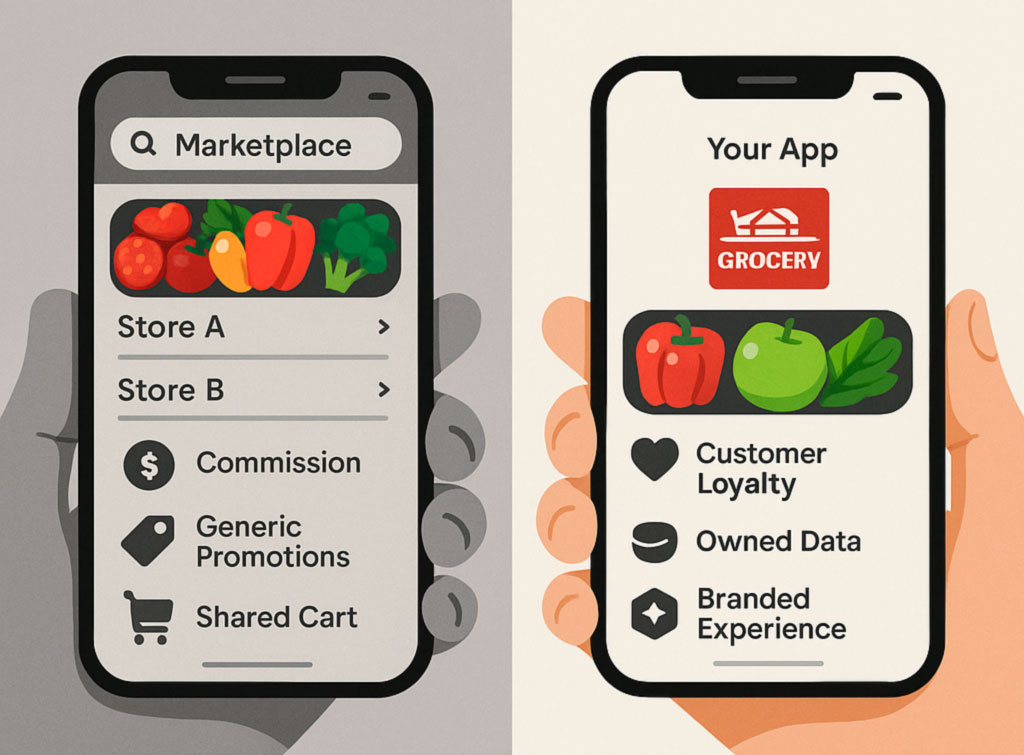
Build a Grocery Store That Converts, and Actually Belongs to You
Most grocery retailers rely on third-party apps to go digital, and in doing so, surrender control over margins, data, and brand loyalty. What looks like convenience is often quiet erosion. This article breaks down why mobile-first Shopify stores are outperforming platforms not just in revenue, but in retention, trust, and long-term growth. If you're still renting shelf space in someone else’s interface, it might be time to reclaim your store. - Customer Experience · Article
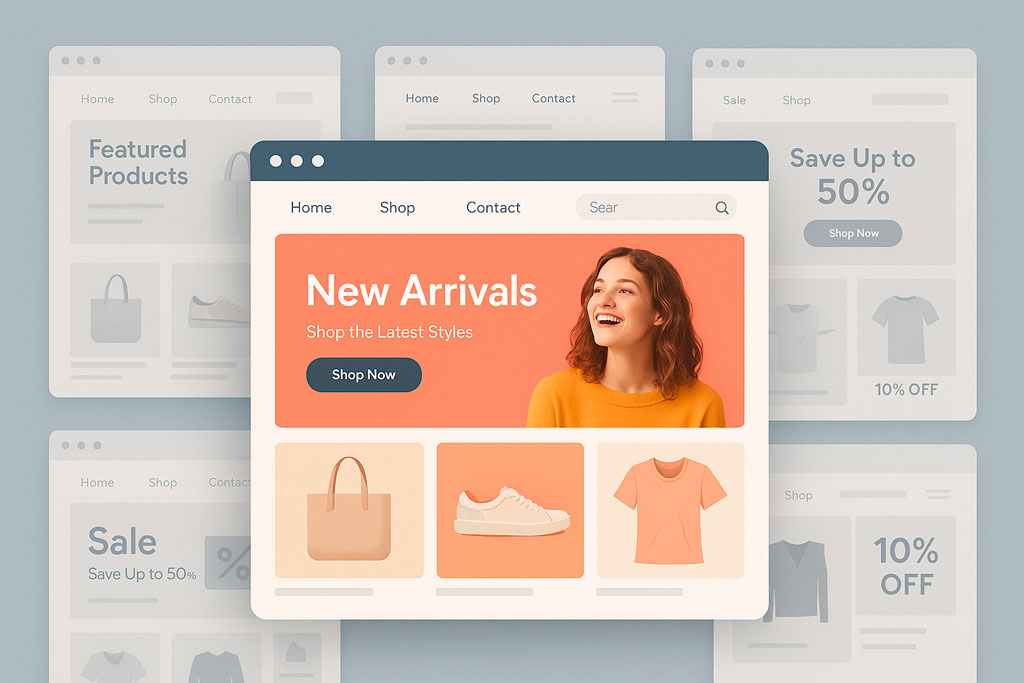
Why DTC Brands Win With Custom Shopify Stores
Themes are fast. Custom stores are strategic. Discover why top DTC brands outgrow templates and invest in custom Shopify storefronts, built for speed, personalization, and long-term scale. - Business Models and Growth · Article

How to Choose the Right E-commerce Platform for Enterprises and Growing Businesses
Choose an e-commerce platform that supports your operations today and your growth tomorrow. Learn how to evaluate scalability, integrations, technical requirements, and total operating costs based on what your business needs. - Customer Experience · Article

Turn Your Store Menu Into Your Best Salesperson
Your store menu should not be just a list of products. It should help customers understand what they are looking for, what options they have, and which product fits best. This article explains how navigation, category pages, filters, and product pages can guide better buying decisions. - Artificial Intelligence · Article

Beyond the Hype: Why E-commerce (Not AI) Is the True $20 Trillion Giant
McKinsey reveals E-commerce will be 4x larger than AI by 2040. Stop getting distracted by hype and focus on the $20T opportunity.
Questions about working with a Shopify development agency
We help with store design, theme customization, product discovery, agreed app and commerce integrations, and ongoing storefront improvements. The proposal defines what will be delivered and who is responsible.
Yes. We assess whether your theme can support the required changes before recommending a redesign or replacement. A focused improvement can be appropriate when the existing setup remains useful.
A defined implementation task may need a developer. A project that also requires customer research, design decisions, prioritization, or coordination may need a broader team. We clarify the capabilities and responsibilities your project requires.
The fee depends on the scope, existing setup, design requirements, integrations, and specialist work involved. Shopify subscriptions, paid themes, and app charges are separate costs to consider. We define the work and costs in the proposal.
Yes. We agree on responsibilities, access, communication, and review points with the people already involved. The scope can cover a specific deliverable or a defined development backlog.
We assess that against your operational requirements and the capabilities available on your current plan. Plus is a separate decision from whether your storefront needs design or development improvements.
We can assess the migration requirements and define the work involved. Data, URLs, integrations, design, and launch responsibilities need to be reviewed before committing to a scope.
Yes. We collaborate remotely with U.S. teams and agree on working hours, communication, responsibilities, and review points for each engagement.
Connect your Shopify store with what comes next.
Some priorities reach beyond the storefront. Bring the right specialist work into the project when the need calls for it.
What should your Shopify store do better?
Tell us where customers struggle, what your team needs to build, or which initiative has stalled.
We’ll discuss the requirements and a practical next step.
Schedule a meetingPrefer to write first? Tell us about your project.